
Essential safety tips for trekking in Sri Lanka. Learn how to handle monsoon weather, leeches in Sinharaja & Horton Plains, and how to choose a qualified guide. Plan your safe adventure to Ella, Knuckles & more with Ceylon Wild Tours.
Sri Lanka’s dramatic landscapes, from the emerald highlands of Ella to the misty peaks of Horton Plains, offer some of the world’s most rewarding trekking experiences. However, a safe and enjoyable adventure requires preparation for the island’s unique challenges. This comprehensive guide by Ceylon Wild Tours will equip you with the knowledge to tackle weather, leeches, and the importance of choosing the right guide.
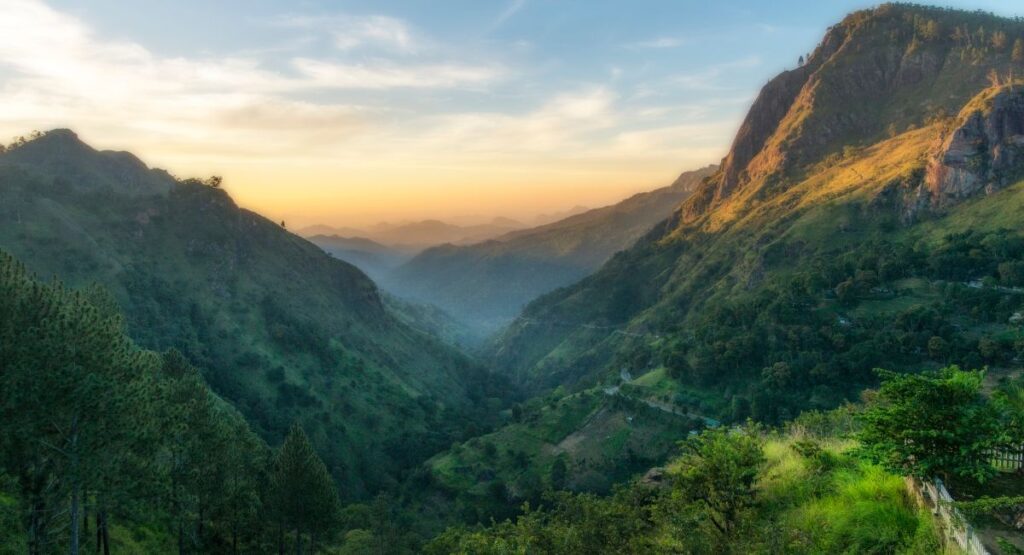
Why Trekking Safety in Sri Lanka is Unique
Trekking in Sri Lanka isn’t just about fitness; it’s about understanding a tropical environment where conditions change rapidly. The interplay of monsoon seasons, dense biodiversity, and sometimes remote trails makes informed planning not just helpful, but essential.
Part 1: Conquering the Weather – Sri Lanka’s Dual Monsoons
The single most important factor for your trek is timing. Sri Lanka’s weather is governed by two monsoons, making some regions ideal while others are impassable.
Understanding the Monsoon Pattern
- Yala (South-West) Monsoon (May-September): Affects the southwest coast and Hill Country. Afternoons often bring heavy rain to areas like Sinharaja Rain Forest, Horton Plains, and Trekking in Ella. Mornings are usually clearer.
- Maha (North-East) Monsoon (November-February): Impacts the east coast and northern regions. This is the best time for trekking in the Hill Country and south, but trails in places like Knuckles may be wet and misty.
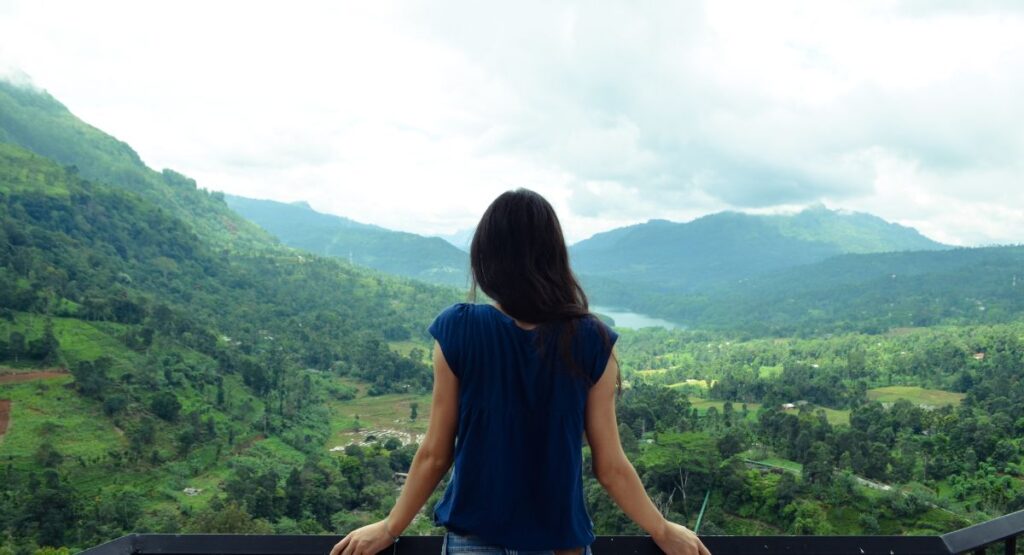
Essential Weather Preparedness Tips
- Check Regional Forecasts: Use apps like AccuWeather, looking specifically at towns near your trek (e.g., Nuwara Eliya for Horton Plains).
- Start Early: Begin your trek at dawn to avoid afternoon downpours, common in the highlands.
- Pack the Right Gear:
- A lightweight, waterproof rain jacket and rain cover for your backpack.
- Quick-dry clothing (avoid cotton).
- Protective covers for your phone and camera.
- Trekking poles for stability on slippery paths.
- Respect Landslide Risks: During heavy rains, avoid trekking in areas prone to landslides, such as some steep trails in the Knuckles Mountain Range.
Part 2: The Leeches – A Hairy Nuisance
Leeches, especially in wet zone forests like Sinharaja and Horton Plains, are a fact of life. They are harmless but can be unsettling.
Effective Leeches Prevention and Removal
- Physical Barriers:
- Leech Socks: Your best defense. These tight-weave socks are treated with insect repellent and can be bought locally in Colombo or trekking hubs.
- Regular Socks & Long Pants: Tuck your pants into long, thick socks.
- Chemical Deterrents:
- Apply a DEET-based repellent (like TABARD) around your shoes, socks, and lower pants.
- Salt is a leech’s kryptonite. Carry a small salt-soaked cloth in a zip-lock bag.
- On the Trail:
- Avoid brushing against overhanging foliage.
- Conduct regular “leech checks” every 15-20 minutes.
- Removal: If one attaches, do not pull. Use salt, a lit cigarette (carefully), or a leech removal card to encourage it to detach. Clean the bite with antiseptic; it may itch and bleed for a while.
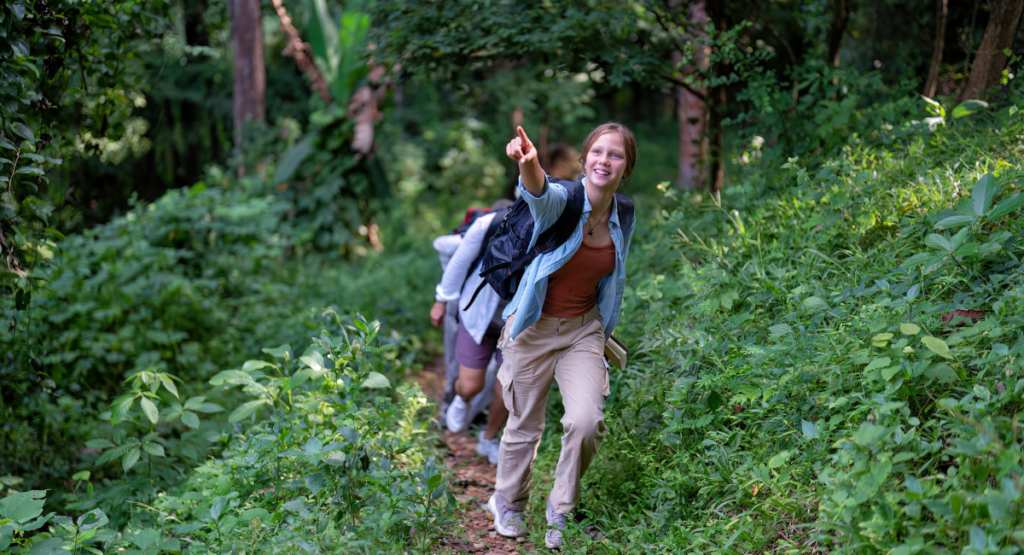
Part 3: The Importance of a Local Guide
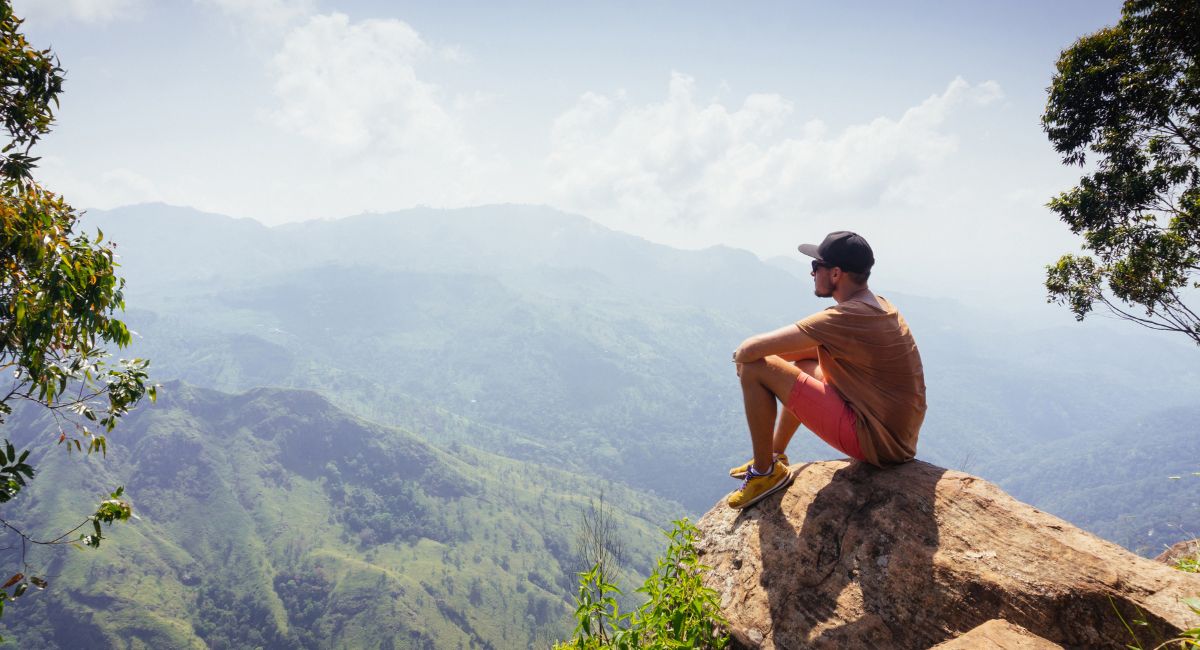
While some trails, like Ella Rock or Little Adam’s Peak, are well-marked, many of Sri Lanka’s best treks require local knowledge.
When is a Guide Non-Negotiable?
- Protected Areas: Sinharaja Rain Forest (a UNESCO site) and Horton Plains National Park legally require an accredited guide. This protects you and the ecosystem.
- Complex Trails: The Knuckles Range has a labyrinth of trails where the weather changes fast. A guide ensures navigation and safety.
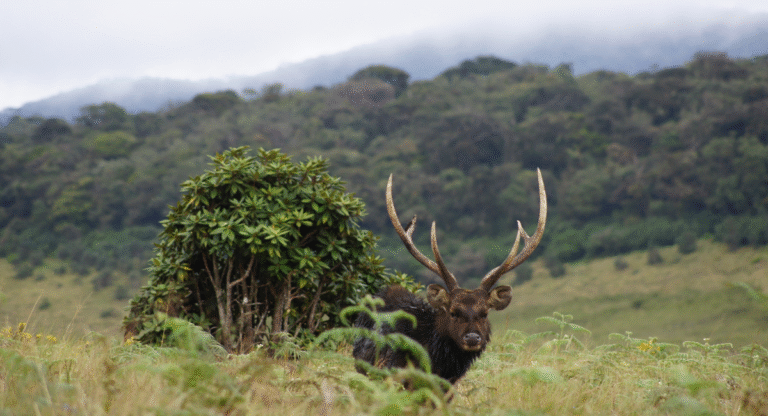
- Cultural & Wildlife Insight: A good guide points out rare wildlife (like the purple-faced langur), medicinal plants, and shares local lore you’d otherwise miss.
How to Choose a Reputable Trekking Guide
- Book Through Reputable Operators: Use established local companies like Ceylon Wild Tours. We vet our guides for expertise, first-aid knowledge, and language skills.
- Verify Credentials: In national parks, ensure they have a valid Sri Lanka Tourism Development Authority (SLTDA) license.
- Discuss the Route & Conditions: A good guide will brief you on the difficulty, weather, and gear needed. Be wary of those who underestimate trails.
- Safety First: Confirm they carry a basic first-aid kit, know emergency protocols, and have a means of communication.
Maximizing Your Trekking Adventure
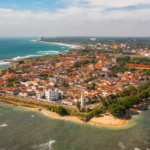
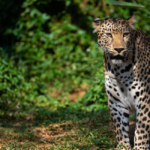
Combine your trek with other iconic Sri Lankan experiences. After hiking the highlands, consider a safari in Yala to see leopards, or unwind on the pristine beaches near Galle. Sri Lanka’s compact size, connected by scenic train routes like the famous Kandy to Ella train, makes diverse itineraries perfectly feasible.
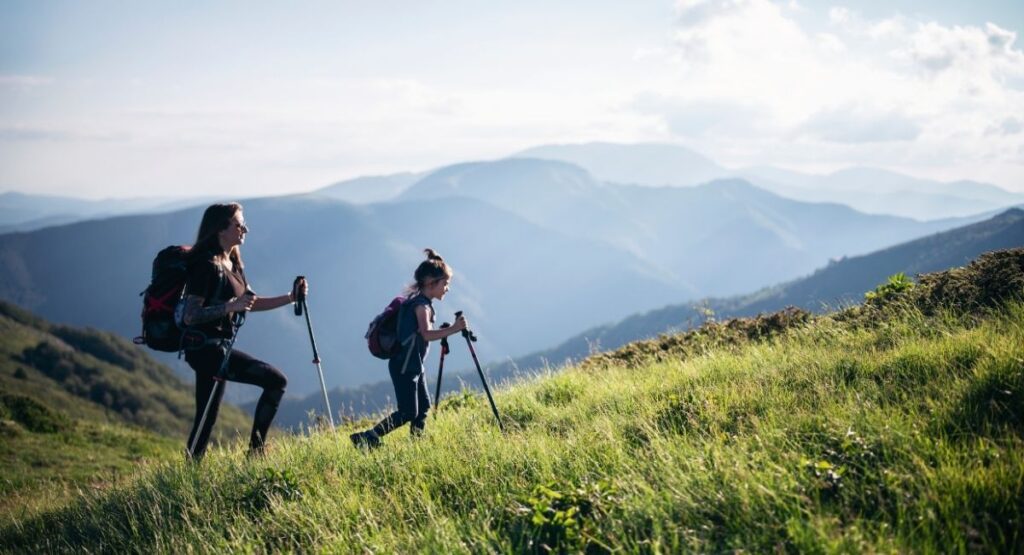
FAQ: Trekking in Sri Lanka
Q: What is the best overall time for trekking in Sri Lanka?
A: The period January to March is generally excellent across the Hill Country and south, offering drier conditions. For the East Coast treks, target May to September.
Q: Are leeches dangerous?
A: No. They do not transmit diseases to humans in Sri Lanka. The bite is painless, but the area may itch and bleed due to anticoagulants. The primary risk is a minor infection if not cleaned.
Q: Can I trek alone in Sri Lanka?
A: On marked, popular trails (Ella Rock, Little Adam’s Peak), yes. However, for your safety, navigation, and to support the local economy, we highly recommend a guide for most treks, especially in remote or protected areas.
Q: What should I pack for a day trek?
A: Essentials include sturdy shoes, rain gear, leech protection, 2+ liters of water, high-energy snacks, sunscreen, a hat, a basic first-aid kit, and a fully charged phone (with local guide numbers saved).
Q: How do I get to major trekking starting points?
A: Hubs like Ella, Nuwara Eliya, and Hatton (for Adam’s Peak) are accessible via the railway network or by hiring a driver. Ceylon Wild Tours can arrange seamless transport and logistics as part of our trekking packages.
Ready to Explore Safely?
Trekking in Sri Lanka is an unforgettable journey through tea plantations, cloud forests, and ancient peaks. By respecting the weather, preparing for leeches, and securing a knowledgeable guide, you ensure your story is one of awe, not adversity.