
1. Introduction: The Transformation of a Hill Station
The town of Ella, situated in the Badulla District of Sri Lanka’s Uva Province, has undergone a radical metamorphosis over the past decade. Once a sleepy colonial outpost defined by its misty tea estates and quiet railway station, it has evolved into the undisputed epicenter of the island’s hiking and adventure tourism sector. This transformation has not been merely cosmetic; it has fundamentally restructured the local economy, shifting the primary source of livelihood from agrarian tea production to a service-based tourism model. At the heart of this new economy lies the trekking industry—a complex ecosystem of trails, viewpoints, and, crucially, the guiding services that facilitate access to them.
The allure of Ella is predicated on its dramatic topography. Positioned at an elevation of approximately 1,041 meters (3,415 feet), the town sits on the edge of the central highlands, overlooking the vast southern plains through the “Ella Gap.” This geographical anomaly creates a landscape of steep escarpments, cascading waterfalls, and rolling tea plantations that have captivated a global audience. However, the rapid influx of tourism has introduced significant friction. The transition from informal, free-access hiking to a commercialized, fee-based model has created a landscape that can be difficult for the uninitiated traveler to navigate.
The current trekking environment in Ella is characterized by a dichotomy between the “old” and the “new.” The “old” Ella is represented by the iconic ascent of Ella Rock—a trail famous for its lack of signage, the prevalence of scams, and its reliance on informal local knowledge. The “new” Ella is epitomized by the Pekoe Trail—a structured, waymarked, and world-class long-distance trail system that requires digital passes and encourages the use of certified guides. This report aims to provide an exhaustive analysis of this dual landscape, offering a granular examination of the guiding services available, the operational realities of the trails, and the logistical frameworks necessary for a safe and culturally enriching experience.
The following analysis is derived from a synthesis of current market data, traveler reports, and operational guidelines from 2024 and 2025. It serves as a definitive resource for understanding the necessity, cost, and value of trekking guides in Ella.
2. The Geoclimatic Context: Implications for Trekking Operations
To understand the necessity of guiding services in Ella, one must first understand the physical and climatic environment in which these activities take place. The terrain and weather patterns are the primary determinants of risk and, therefore, the primary drivers for the engagement of professional assistance.
2.1 Topographical Challenges and Vegetation Zones
The terrain in Ella is not uniform; it presents a tiered challenge to hikers.
- The Tea Estate Zone: The lower slopes and approach trails, such as those leading to Little Adam’s Peak and the initial stages of the Pekoe Trail, are dominated by tea plantations (Camellia sinensis). These areas are generally open, well-maintained by estate workers, and offer high visibility. Navigation here is intuitive, often following wide estate tracks originally designed for tea pluckers and tractors.
- The Eucalyptus Belt: As trails ascend, particularly on Ella Rock and Stage 15 of the Pekoe Trail, the vegetation shifts to dense eucalyptus forests. These monoculture plantations are characterized by tall, uniform trees and a floor covered in slippery leaves. The visual monotony of these forests makes navigation notoriously difficult; without distinct landmarks, hikers frequently become disoriented. This zone is the primary site for navigation errors and is where the utility of a guide increases exponentially.
- The Scrub and Grasslands: Certain unofficial shortcuts and less-traveled paths traverse areas of high “mana” grass. These sections present hazards such as concealed uneven ground, potential snake habitats, and increased exposure to the sun. The lack of defined footpaths in these areas often necessitates a guide who can identify safe corridors through the vegetation.
2.2 Climatological Windows and Risk Assessment
Ella experiences a tropical rainforest climate, but its altitude moderates the temperature, creating a subtropical highland feel. However, rainfall patterns are distinct and dictate the trekking calendar.
Table 1: Seasonal Trekking Analysis and Guide Necessity
| Season | Months | Meteorological Conditions | Operational Implications | Guide Necessity |
| Primary Dry Season | January – March | Low rainfall, clear skies, cool mornings (15°C) and warm days (27°C). | Peak tourist season. Trails are dry and firm. Visibility is optimal. | Low to Moderate. Clear paths reduce the risk of getting lost. |
| Inter-Monsoon 1 | April | Rising humidity, increased cloud cover, and afternoon convectional rains. | Mornings remain clear, but afternoon storms introduce lightning risks on exposed peaks. | Moderate. Guides useful for timing and weather prediction. |
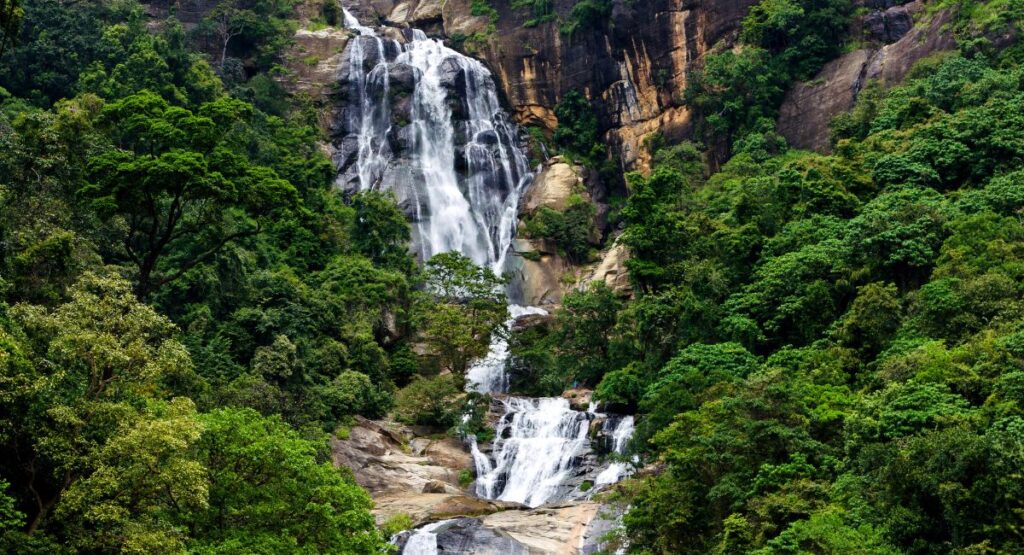
| Southwest Monsoon | May – August | Windy conditions, occasional rain (though Ella is partly sheltered), higher humidity. | Leech activity increases. Rocks on waterfalls (Ravana, Diyaluma) become slippery. | Moderate to High. Leeches and slippery terrain increase physical risk. |
| Inter-Monsoon 2 | September – October | Transition period with unpredictable weather patterns. | High variability. Potential for heavy, sudden downpours. | High. Rapid weather changes can obscure trails. |
| Northeast Monsoon | November – December | Rising humidity, increased cloud cover, and afternoon convectional rains. | Most challenging trekking conditions. Trails become muddy streams. Peak leech season. | Very High. Mud, fog, and leeches make independent hiking treacherous. |
The data suggests that while independent trekking is highly feasible during the Q1 dry season, the risks associated with visibility and traction during the wet months (November-December) make professional guidance a critical safety asset.
3. The Guide Ecosystem: Categories, Costs, and Accreditation
The term “guide” in Ella is applied loosely, encompassing a spectrum of professionals ranging from accredited naturalists to informal touts. Understanding this hierarchy is essential for travelers to make informed decisions regarding safety and value.
3.1 Tier 1: Accredited Trekking Guides and Naturalists
At the top of the hierarchy are professional guides often employed by specialized trekking companies or high-end hotels.
- Profile: These individuals typically possess formal training in first aid, local ecology, and history. They are often fluent in English and may carry specific certifications from the Sri Lanka Tourism Development Authority (SLTDA) or the Pekoe Trail Organization.
- Service Providers: Companies such as Real Lanka Holidays, Sri Lanka Trekking Team, and specialized hotel services like Teardrop Journeys operate in this tier.
- Value Proposition: They provide full logistical support, including transport to trailheads, water, leech socks, and lunch. They offer narrative depth regarding the tea industry and colonial history. They act as a buffer against local scams.
- Cost: $30 – $60 USD per day/hike.
3.2 Tier 2: The “Chauffeur-Guide.”
Many visitors to Sri Lanka hire a private driver for their entire trip. These “chauffeur-guides” often accompany their clients on hikes.
- Profile: While excellent drivers and generalists, they may not have specialized knowledge of specific hiking trails like the back routes of Ella Rock. However, their presence deters scammers.
- Reliability: Highly rated drivers like “Kamal” or “Sujee” from Real Lanka Holidays are noted for their reliability and protective nature toward clients.
- Cost: Usually included in the daily vehicle hire rate ($50-$80/day for the car), though tip expectations apply for strenuous hikes.
3.3 Tier 3: Informal Local Guides (The “Trackside” Guides)
This category is specific to the Ella Rock trail.
- Profile: Locals who wait at key navigational choke points (railway bridges, turn-offs).
- Modus Operandi: Some are genuine locals offering a service; others operate primarily through deception (see Section 4.1.2 on Scams).
- Cost: Highly negotiable, ranging from 2,000 LKR to 5,000 LKR ($6 – $15 USD).
- Risk: High variability in quality and honesty.
3.4 Tier 4: Digital Guides and Aggregators
The rise of platforms like GetYourGuide, Viator, and Klook has standardized the booking process.
- Offerings: These platforms bundle multiple activities (e.g., “Ella 3 Icons Tour”) into a single product.
- Pricing:
- Basic Hike: ~$15 – $25 USD.
- Full Day All-Inclusive: ~$65 – $126 USD.
- Pros: Accountability (refund policies, reviews), ease of booking.
4. Operational Analysis of Key Trekking Routes
The necessity of a guide is not universal; it is trail-dependent. This section analyzes the three primary trekking experiences in Ella, detailing the specific route challenges, fee structures, and the role of guides for each.
4.1 Ella Rock: The Independent Hiker’s Labyrinth
Ella Rock is the most technically demanding popular hike in the area, involving a 10km round trip with an elevation gain of roughly 400 meters. It is also the epicenter of the local “guide scam” phenomenon.
4.1.1 The Route and Navigation
The hike does not begin at a formal trailhead but rather along the active railway tracks—a unique feature of Sri Lankan hiking.
- The Approach: Hikers walk south from Ella Railway Station along the tracks for approximately 2-3km towards Kithalella Station. Walking on tracks is technically illegal but widely tolerated; however, vigilance for trains (which move slowly) is required.
- The Critical Junction (Kithalella): After passing Kithalella station, the route becomes ambiguous. The trail requires hikers to locate a specific turn-off into the tea plantations.
- Landmark: The “Black Bridge” is a key marker. Shortly after this (or sometimes identified as the turn at the waterfall/bridge, depending on the specific path taken), hikers must turn left into the vegetation.
- The Confusion: There are multiple paths worn into the grass. Scammers often remove or rotate signage to point hikers toward dead ends or difficult terrain.
4.1.2 The Scam Mechanism
The “Fake Guide” scam is a well-documented socio-economic phenomenon in Ella.
- The Setup: Locals, often dressed to look like farmers or estate workers, position themselves near the Kithalella bridge or the initial tea plantation paths.
- The Interception: As tourists approach the junction, the tout will confidently assert, “No, that way is closed,” “Wrong way,” or “Too dangerous, elephants there.” They will direct the tourists toward a confusing route.
- The Rescue: Once the tourist is inevitably lost in the high grass or dense forest, the same individual (or a partner) “happens” to appear, offering to lead them to the summit.
- The Demand: Upon reaching the top, they demand a fee, often aggressive, ranging from 2,000 to 5,000 LKR.
- Counter-Strategy: The most effective defense is a pre-downloaded offline map (AllTrails or Maps.me) and a firm refusal to engage with unsolicited advice. Rule of Thumb: If someone is insistent that you are going the wrong way, check your digital map immediately.
4.1.3 Fee Structure Changes (2024-2025)
Historically, Ella Rock was a free hike. This changed recently with the introduction of an entrance fee collected by a local authority/landowner body.
- Cost: Approximately 930 LKR ($3 USD) for foreign adults.
- Collection Point: There is no ticket counter at the bottom. The fee is collected at a hut located near the summit, just before the main viewpoint.
- Implication: Hikers must carry cash. The lack of a formal entry gate at the bottom contributes to the confusion and the “wild” nature of the hike.
Recommendation: For experienced hikers with GPS apps, a guide is not strictly necessary but requires high situational awareness. For casual walkers or those easily intimidated by touts, hiring a guide (approx. $15-$25) is a strong recommendation to ensure a stress-free experience.
4.2 The Pekoe Trail (Stages 15 & 16): The Future of Trekking
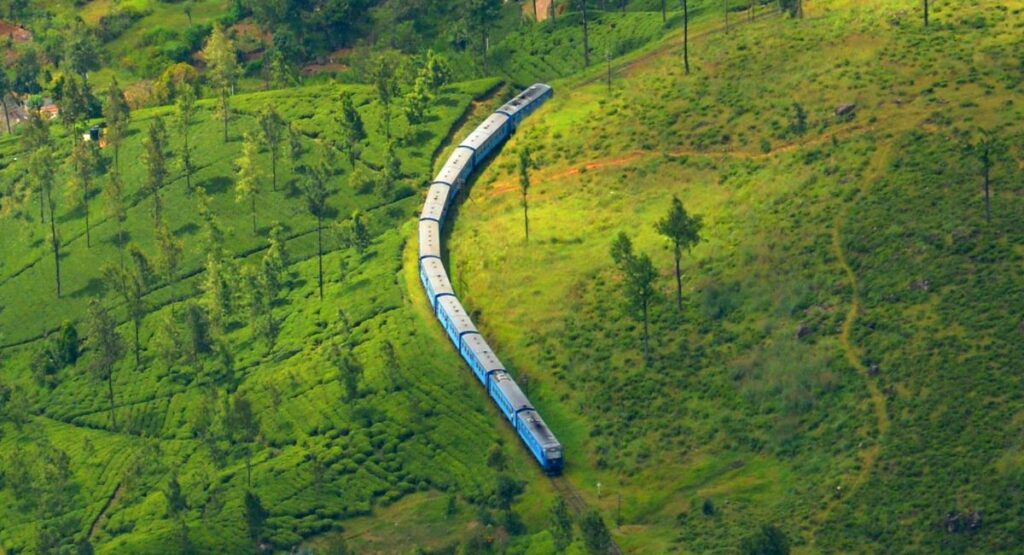
The Pekoe Trail represents a paradigm shift towards regulated, sustainable trekking tourism. It is a 300km contiguous trail, with Stages 15 and 16 centering on Ella.
4.2.1 Stage 15: Makulella to Ella
- Route: This 9.6km stage begins at the Allimale Bodhiya Temple in Makulella. It traverses the Ambagaswatte Valley, ascends through a eucalyptus forest to the summit of Ella Rock (approaching from a different, less scammed side), and descends to the Kithalella railway line.
- Terrain: Mix of village roads, tea trails, and forest paths.
- Guide Necessity: Moderate. The trail is waymarked, but the sheer length and the passage through remote village areas make a guide valuable for cultural interaction.
4.2.2 Stage 16: Ella to Demodara
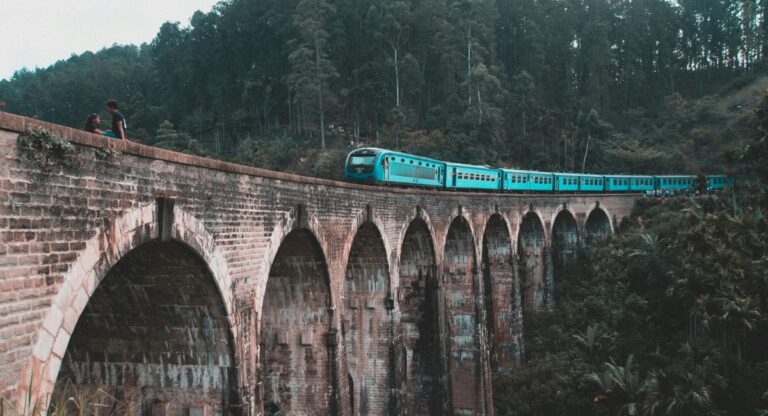
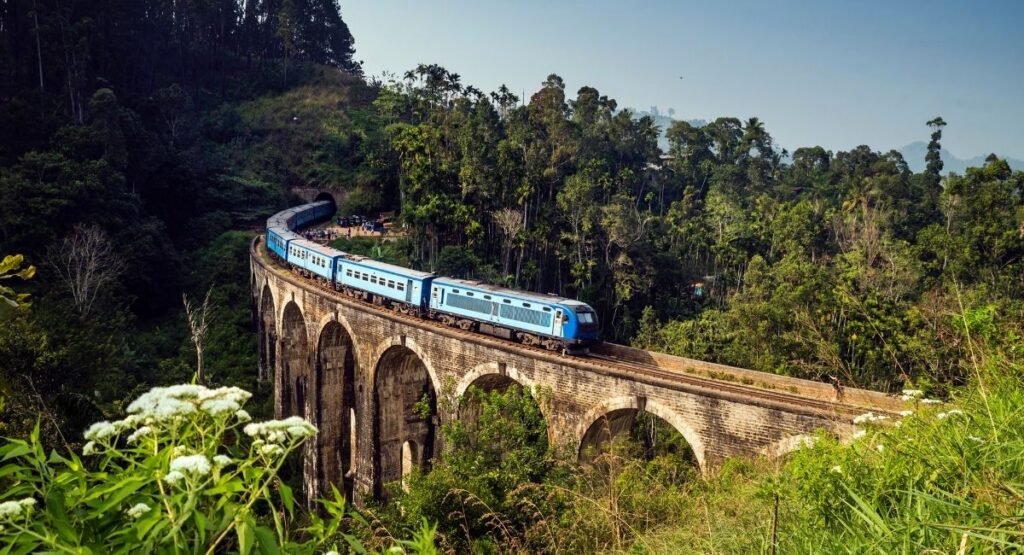
- Route: This 9.5km stage connects Ella Town to the famous Nine Arches Bridge and continues through the Demodara Tea Estate to the Demodara Loop.
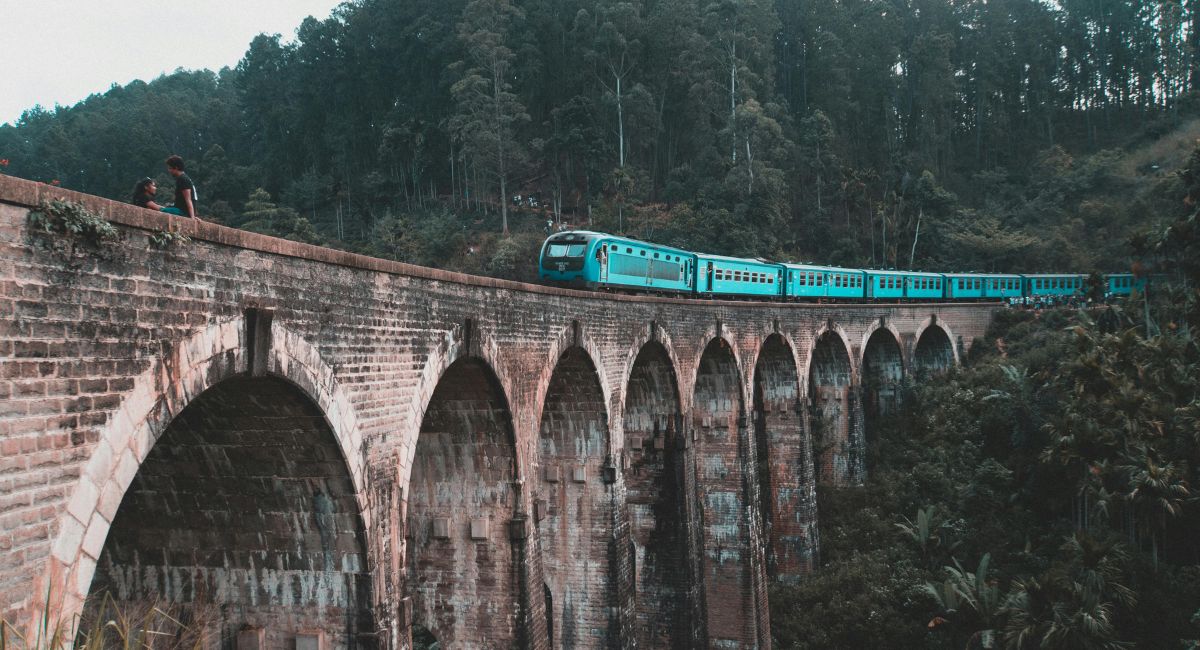
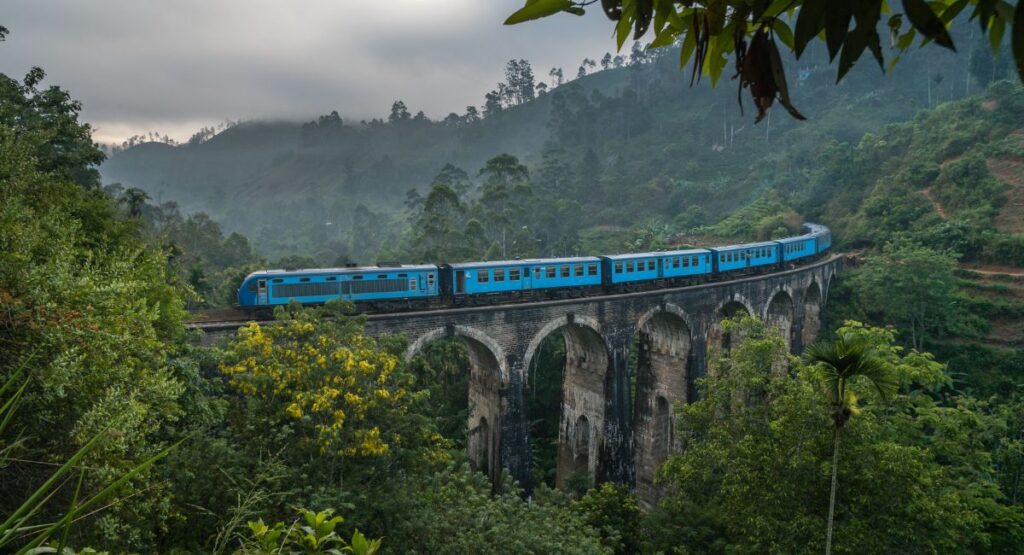
- Highlights: The Nine Arches Bridge, a colonial-era viaduct built without steel during WWI, is a major highlight. The trail offers unique vantage points of the bridge away from the crowded tourist spots.
- Demodara Loop: The trail ends at the Demodara Railway Station, famous for its “loop” engineering, where the track spirals under itself to manage the steep gradient.8
4.2.3 The Pass System and Governance
The Pekoe Trail is managed by the Pekoe Trail Organization (TPTO), which funds maintenance through a pass system.
- Cost: $10 USD per stage for foreign hikers. This is a mandatory contribution for trail sustainability.
- Purchase Method: Passes can be bought online via the official website or the Pekoe Trail App.
- Membership: Annual memberships ($90) or short-term memberships (7-day for $30) are available for avid hikers covering multiple stages.
4.3 Little Adam’s Peak: The Casual Standard
- Route: A gentle 45-minute climb starting near the 98 Acres Resort. The path is largely paved or consists of well-maintained steps.
- Guide Necessity: None. The trail is unambiguous and heavily trafficked.
- Commercialization: The area has been heavily developed, now featuring the “Flying Ravana” zipline and a pool club.
5. Economic Analysis: Guide Fees and Tour Packages
Travelers to Ella are presented with a wide array of pricing options. Understanding the breakdown of these costs is vital for budgeting and avoiding overpayment.
5.1 Independent Guide Fees
For travelers hiring a guide directly in town (e.g., through their guesthouse or a local contact):
- Ella Rock Guide: 2,500 – 4,000 LKR ($8 – $13 USD) per group is a standard fair rate. Scammers may ask for more; professional naturalists will charge more.
- Pekoe Trail Guide: Certified guides may charge between $20 and $40 per stage due to the longer duration (3-4 hours) and required certification.
5.2 Tour Agency Packages
Agencies bundle transport, tickets, and guiding.
- Budget Day Tours: Platforms like Viator offer “3 Icons” tours (Little Adam’s Peak, Nine Arches, Ella Rock) for approx. $35 – $50 USD per person. This usually includes a Tuk-Tuk driver/guide.
- Premium Private Tours: Operators offering air-conditioned vehicles, lunch, and a dedicated English-speaking guide charge between $65 and $125 USD per person.
- Specialized Jeep Tours: A safari jeep tour covering the sights plus a visit to a secret waterfall or tea factory costs around $55 – $80 USD.
5.3 Comparative Value
Table 2: Cost-Benefit Analysis of Trekking Options
| Option | Estimated Cost | Pros | Cons |
| Solo / DIY | $3 (Entry Fee) | Cheapest; flexible timing. | High risk of getting lost/scammed on Ella Rock. |
| Local Guide (Direct) | $15 – $20 | Supports local economy; safety net. | Variable quality; requires negotiation. |
| Online Agency Tour | $40 – $70 | Hassle-free; confirmed price; transport included. | More expensive; rigid schedule. |
| Pekoe Trail Pass | $10 + Guide ($30) | World-class trail infrastructure; sustainable. | Higher cost; requires app/digital planning. |
6. Safety, Health, and Logistics
While Ella is a relatively safe destination, the specific environment of the hill country introduces risks that are distinct from Sri Lanka’s coastal regions.
6.1 The Leech Menace: Prevention and Management
Leeches (Haemadipsa species) are ubiquitous in Ella’s damp vegetation, particularly during the wet months. While their bites are not venomous, they can cause significant psychological distress and potential secondary infections.
- Seasonality: Peak activity is during the monsoon (May-August, Oct-Dec). Dry season hikers may see few to none.
- Protection Mechanisms:
- Leech Socks: These are the most effective barrier. They are calico/cotton over-socks that are pulled up to the knee and tied, preventing leeches from reaching the skin. They are sold at local shops and provided by trekking companies.
- Chemical Repellents: Locally, a mixture of Dettol, soap, and salt water sprayed on shoes is considered highly effective. Siddhalepa, a local herbal balm similar to Tiger Balm, is also applied to ankles as a deterrent.
- Salt: Hikers often carry a small pouch of salt. Applying salt to an attached leech causes it to release immediately.
6.2 Medical Infrastructure and Emergency Response
Ella is a small town with limited medical capabilities.
- Primary Care: The Ella Medical Center and various private dispensaries in town can handle minor abrasions, leech bites, and food poisoning.
- Emergency Care: For serious trauma (falls, fractures, cardiac events), patients must be transferred to the General Hospital in Badulla (approx. 45 mins away) or to major private hospitals in Colombo (e.g., Asiri Hospital, Hemas Hospital) or Kandy. These facilities are JCI-accredited and equipped for major surgery.
- Emergency Contacts:
- Tourist Police: 011-2421052 (National Hotline)
- Police Emergency: 119
- Ambulance: 1990 (Suwa Seriya – highly reliable free ambulance service).
6.3 Contact Information for Reliable Services
- Sri Lanka Trekking Team: WhatsApp +94-75-7997667. Known for specialized hiking support.
- Real Lanka Holidays: Contact for “Kamal” or “Premil” (Drivers/Guides) – widely praised for safety.
- Police Station Ella: 057-2228850.
7. Community and Sustainability
The explosion of tourism in Ella has put immense pressure on its infrastructure and environment. “Overtourism” is a tangible concern, leading to initiatives aimed at mitigation.
7.1 The GreenElla Initiative
Recognizing the environmental toll of plastic waste and deforestation, the GreenElla Initiative was formed as a community-led conservation project.
- Objectives: The initiative focuses on eco-restoration (replanting native trees), waste management (trail clean-ups), and cultural heritage immersion.
- Tourist Involvement: Travelers can book volunteer experiences or tours that contribute directly to these goals, offering a way to “give back” to the landscape they are enjoying.
7.2 Community-Based Tourism
Programs like the Ella Village Community Project allow tourists to engage with locals beyond the transactional nature of a hotel stay. These initiatives often involve cooking classes, village walks, and craft demonstrations, ensuring that tourism revenue percolates down to families not directly involved in the large resorts.
7.3 The Impact of Commercialization
Observers have noted that Ella is a “town in transition.” While the influx of cafes and souvenir shops caters to international tastes, it risks eroding the authentic rural charm. Prices in Ella are often higher than in surrounding non-tourist towns. The dependency on tourism was starkly highlighted during recent economic downturns, emphasizing the need for sustainable, high-value tourism (like the Pekoe Trail) rather than mass, low-value footfall.
8. Conclusion
Ella’s trekking landscape offers a spectrum of experiences, from the wild and adventurous to the curated and comfortable. The question of “do I need a guide?” is best answered by the specific trail and the traveler’s comfort level.
- For Ella Rock, a guide is a strong recommendation—not for physical safety, but to navigate the social minefield of scams and the physical labyrinth of the approach.
- For the Pekoe Trail, a guide acts as a cultural interpreter, unlocking the history of the tea country while supporting a sustainable tourism model.
- For Little Adam’s Peak, independence is the norm.
By understanding the seasonal windows, preparing for the inevitable leeches, and choosing the right tier of guiding service, travelers can safely unlock the breathtaking beauty of Sri Lanka’s hill country. Whether engaging a high-end naturalist from a boutique hotel or negotiating with a local guide at the railway station, the human element remains a crucial part of the Ella experience.
Summary Checklist for Trekkers in Ella:
- Map: Download offline maps (AllTrails/Maps.me) before arrival.
- Money: Carry small denomination cash (LKR) for entrance fees ($3 for Ella Rock) and trail passes ($10 for Pekoe Trail).
- Protection: Buy leech socks if hiking in the wet season; carry salt/Dettol spray.
- Verification: If hiring a guide, check reviews or book through a reputable agency/hotel to avoid touts.
- Timing: Start hikes early (around 6:00 AM) to beat the mist and the heat.