
Your complete packing guide for multi-day treks in Sri Lanka’s highlands. Get expert tips on gear, weather, and planning for trails in Ella, Horton Plains & Knuckles. Stay safe & trek smarter with Ceylon Wild Tours.
Sri Lanka’s highlands are a trekker’s paradise, offering emerald peaks, rolling tea plantations, and mist-shrouded forests. A multi-day adventure through this breathtaking landscape—from the legendary Adam’s Peak pilgrimage to the remote trails of the Knuckles Range—requires thoughtful preparation. This complete packing list ensures you’re ready for the ever-changing conditions, allowing you to focus on the unforgettable vistas and cultural encounters.
Why Trekking in Sri Lanka’s Highlands is Unique
The highlands, encompassing areas like Nuwara Eliya, Ella, and Haputale, present a unique climate. You can experience cool, damp conditions, sudden rain showers, and strong sun, all within a few hours. Proper gear isn’t just about comfort; it’s about safety. Being prepared means you can fully embrace the magic of waking up above the clouds and trekking through World Heritage-listed Central Highlands.
Your Essential Multi-Day Trek Packing List
Core Clothing System (Pack Light, Pack Right)
- Moisture-Wicking Base Layers (x2): Quick-dry t-shirts and leggings. Avoid cotton—it stays wet and cools you down dangerously.
- Insulating Mid-Layer: A lightweight fleece or a down/synthetic insulated jacket for chilly mornings and evenings in Horton Plains or Nuwara Eliya.
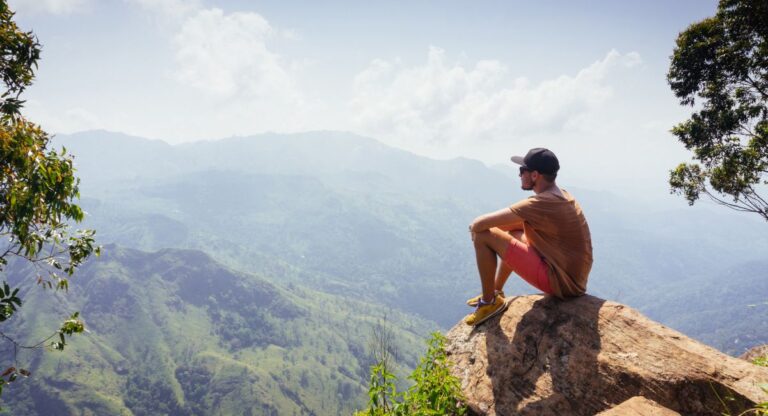
- Weatherproof Outer Shell: A quality, breathable rain jacket is non-negotiable. Rain is frequent, especially on trails like Trekking in Ella to Little Adam’s Peak.
- Trekking Pants & Shorts: Convertible pants are ideal. Include a pair of comfortable shorts for warmer stretches.
- Sturdy Footwear:
- Broken-in Hiking Boots: Ankle support is crucial for uneven terrain.
- Camp Shoes/Sandals: For giving your feet rest at camp or in a homestay in Ella.
- Merino Wool or Synthetic Socks (x3 pairs): Prevent blisters.
Essential Gear & Equipment
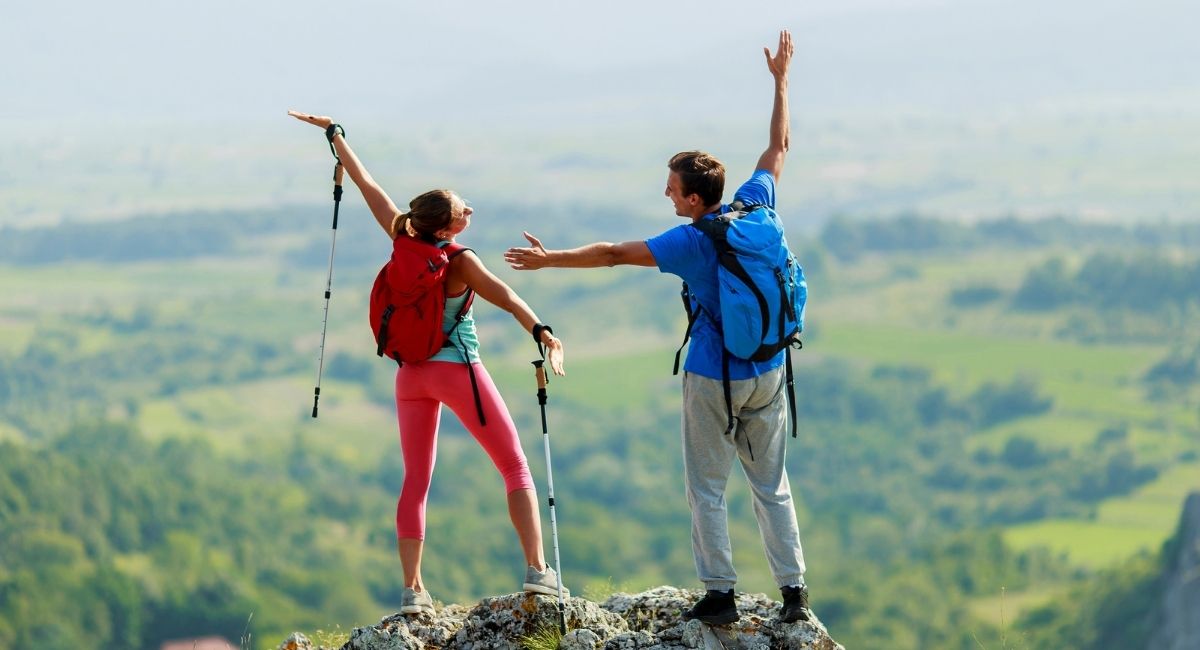
- Backpack (50-70L): A comfortable, fitted backpack with a rain cover. For porter-supported treks, a 25-30L daypack suffices.
- Sleeping Bag & Shelter: A lightweight sleeping bag rated for near-freezing temperatures. If camping, a 3-season tent. Many organized tours, like those with Ceylon Wild Tours, provide shelter.
- Hydration: A 2-3 liter hydration bladder or water bottles. Include water purification tablets or a filter—stream water looks clean but may contain pathogens.
- Navigation & Light: A detailed map, compass (and knowledge to use them), headlamp with extra batteries. Trails can be poorly marked.
- Trekking Poles: A lifesaver for steep, slippery descents, common after rain.
Health, Safety & Comfort
- Basic First Aid Kit: Include blister plasters, antiseptic wipes, bandages, pain relievers, and any personal medication.
- Sun & Insect Protection: High-SPF sunscreen, lip balm with SPF, and strong insect repellent—leech socks are also a wise addition for rainforest sections.
- Personal Hygiene: Biodegradable soap, toothbrush, small towel, hand sanitizer, and a zip-lock bag for waste. Leave No Trace.
- Snacks & Nutrition: High-energy snacks (nuts, dried fruit, chocolate). While you’ll eat at villages or camps, snacks are vital for stamina.
Important Extras
- Documents & Money: Passport copy, travel insurance details, cash (LKR) for small village purchases, temple donations, or a well-deserved king coconut.
- Power: Universal travel adapter, power bank. Electricity can be scarce.
- Camera & Protection: To capture the sunrise from World’s End. Use a dry bag or heavy-duty plastic bags to protect everything from rain.
Planning Your Trek: Local Insights
When to Go
The best period for Trekking in Sri Lanka’s Highlands is from January to April and July to September, during drier windows. The December to April period is ideal for the iconic Adam’s Peak pilgrimage season.
Choosing Your Route & Support
- Independent Trekking: Suitable for experienced trekkers. Research thoroughly, register with local authorities where required, and consider hiring a local guide from towns like Ella or Dalhousie.
- Guided Tours: Companies like Ceylon Wild Tours handle logistics, permits, and provide expert local guides who enrich the experience with cultural and ecological knowledge. This is recommended for most trekkers.
Key Highland Towns & Starting Points
Please mention your trek’s starting point when booking transport or accommodation. Key hubs include:
- Nuwara Eliya: Gateway to Horton Plains National Park.
- Ella: Base for Trekking in Ella and the surrounding peaks.
- Hatton/Dalhousie: For the Adam’s Peak climb.
- Kandy: Access point for the Knuckles Mountain Range.
Pro Tip: The famous Kandy to Ella train is a scenic way to arrive in the highlands. Book your seat in advance!
Frequently Asked Questions (FAQ)
Q: Do I need a guide for multi-day treks in Sri Lanka?
A: For most multi-day routes, especially in the Knuckles Range or Horton Plains, a local guide is highly recommended for safety, navigation, and cultural insight. Reputable operators like Ceylon Wild Tours offer guided experiences that enhance your trek.
Q: What about leeches?
A: Leeches are common in wet, forested areas. Don’t panic. Apply salt or insect repellent to dislodge them. Leech socks, available locally, are a great preventative measure.
Q: Can I combine a trek with a safari or beach holiday?
A: Absolutely! Many travelers pair a highland trek with a safari in Yala or Wilpattu, followed by relaxation on the beaches near Galle or Mirissa. Check out our comprehensive [Sri Lanka Tour Packages] to plan your perfect multi-adventure itinerary.
Q: What is the food situation on a multi-day trek?
A: On guided tours, meals are provided. If independent, plan to eat at village tea shops (“kades”) or carry a portable stove. Always pack extra emergency snacks.
Q: How do I respect local culture while trekking?
A: Dress modestly when near villages or temples (cover shoulders and knees). Always ask permission before taking photos of people. Remove shoes and hats when entering sacred sites.