

1. Introduction: Beyond the Jeep Tracks – Discovering Gal Oya’s Inland Sea
1.1 Setting the Stage: Gal Oya’s Unique Position in Sri Lankan Wilderness
Gal Oya National Park, situated in the Eastern Uva Province of Sri Lanka, stands distinctively apart from the island’s more frequented wildlife reserves, such as Yala and Udawalawe. This region represents Sri Lanka’s most tranquil and arguably least-explored wildlife frontier. Its geographical structure is the foundation of its singularity: rather than focusing solely on traditional jeep tracks, Gal Oya offers the only major
boat-based safari experience in the country, navigating the vast expanse of the Senanayake Samudraya reservoir.
1.2 The Allure of the Reservoir: Why Boat Safaris Rule Here
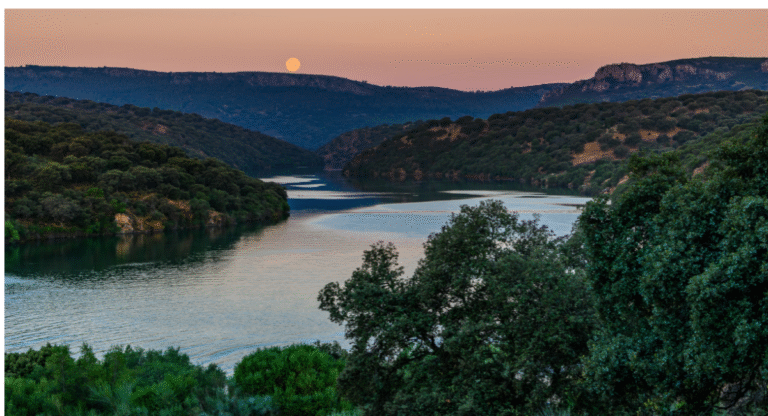
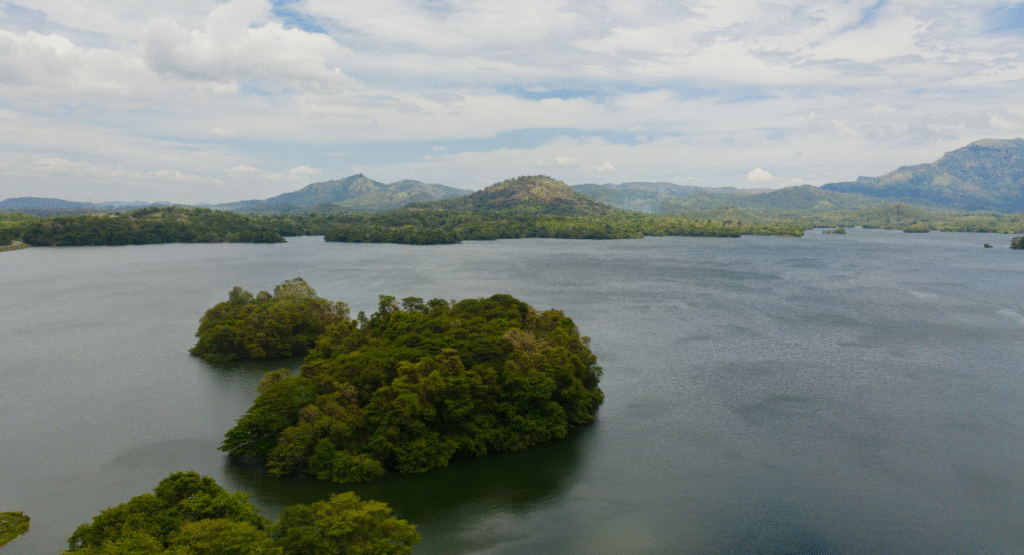
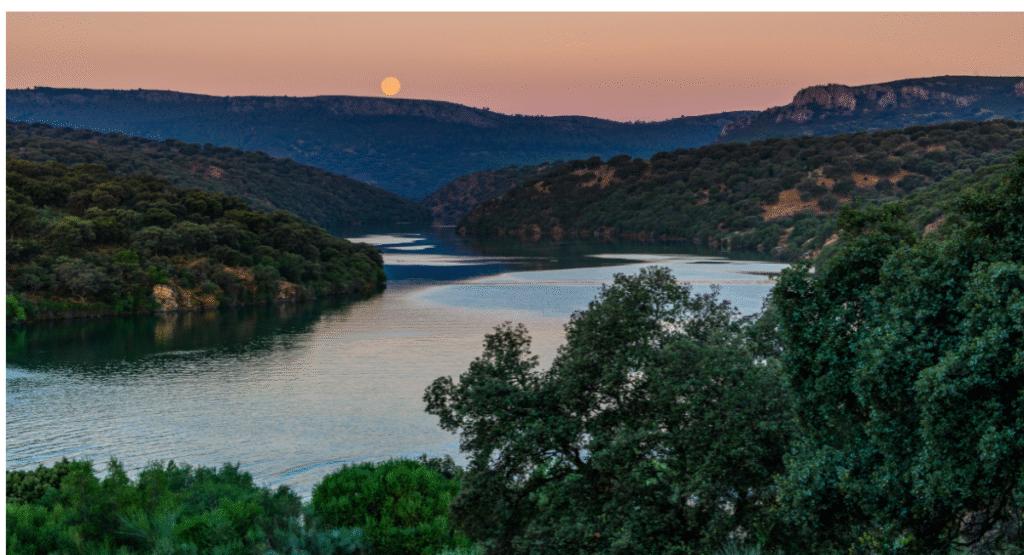
The safari experience in Gal Oya is fundamentally defined by the water. The massive Senanayake Samudraya, created by the Inginiyagala Dam in the 1950s, features numerous small islands. The boat safari navigates around and between these islands, providing unique vantage points and accessing areas that are impossible to reach by land.
The primary drawcard and the spectacle that separates Gal Oya from all other Sri Lankan parks is the rare opportunity to witness elephants swimming between these lake islands. This unique aquatic behavior is complementary to the overall safari value proposition. Furthermore, the relative remoteness of Gal Oya, dictated by its challenging access routes, translates directly into a lower concentration of tourists and vehicle traffic compared to the high-density parks of the South. This low-impact, boat-centric approach to viewing positions Gal Oya as an ideal choice for the sophisticated, eco-conscious traveler who seeks authenticity and minimizes environmental disturbance.
1.3 The Two Pillars of Gal Oya: Wildlife and Ancient Culture
A journey to Gal Oya is fundamentally dual-natured. It combines the natural spectacle of the wilderness, dominated by the majestic elephants and abundant birdlife, with a profound cultural immersion experience: meeting and engaging with the indigenous Vedda people. Both elements require careful and nuanced planning to ensure maximum enjoyment and ethical responsibility. Understanding the specific logistics, costs, and seasonal fluctuations associated with each pillar is essential for crafting the definitive Gal Oya experience.
2. The Aquatic Spectacle: Anatomy of the Gal Oya Boat Safari
2.1 Sailing the Senanayake Samudraya
The reservoir at the heart of the park ensures a diverse and expansive viewing environment. While the overall expedition duration typically spans approximately 4 hours, this time frame includes necessary transport to and from the launch point. The core safari experience—the time actually spent cruising on the water—is generally around 2.5 hours.
The service mandates the inclusion of a Hotel Naturalist or experienced staff, alongside essential safety gear such as life jackets. The expertise of this professional guide is critical for safety, navigation, and, most importantly, for maximizing wildlife sightings. Given that wildlife spotting from a boat requires a different skill set than driving a jeep (focusing on shorelines, subtle movements in the water, and identifying distant birds), the quality and knowledge of the naturalist fundamentally determine the success and depth of the 2.5-hour experience.
2.2 The Holy Grail: Understanding the Swimming Elephants
The defining feature of the Gal Oya boat safari is the chance to observe elephants swimming. This behavior is usually associated with the elephants moving between the numerous islands within the reservoir, likely seeking better grazing, water, or social interaction. This rare sighting complements the park’s value proposition, offering a unique photographic and observational moment unparalleled in Sri Lanka.
Timing the visit to coincide with this behavior is paramount. Research suggests that the period between March and July is particularly recommended, as this is when elephants congregate around the available waterholes to drink and socialize, increasing the frequency of observed aquatic movement.
2.3 Beyond the Elephants: Other Key Sightings
While the swimming elephants garner the most attention, the aquatic setting ensures a wealth of other wildlife opportunities. Gal Oya is renowned for its birdlife, particularly during the migratory season, when a cacophony of species takes residence around the lake.
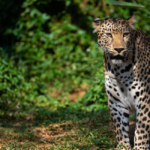
Cruising the reservoir’s edges also provides viewing opportunities for terrestrial animals venturing to the shore to drink, such as water buffalo and various deer species. Furthermore, the environment harbors predatory species dependent on the water source, including crocodiles, often seen basking along the muddy banks. The aquatic environment reinforces the necessity of using experienced guides and adhering strictly to safety protocols, remaining within the confines of the boat, given the presence of these species. Sloth bears and leopards are also present in the parklands, but are notoriously elusive and rarely seen from the water.
3. Decoding Seasonality: When to Visit Gal Oya for Maximum Impact
3.1 The Contradiction: Swimming versus Grazing Herds
Planning a visit to Gal Oya requires reconciling seemingly contradictory advice regarding the “best” time to travel. The definition of “best” depends entirely on the traveler’s primary objective: whether they prioritize the unique sight of swimming elephants or prefer viewing large herds congregated together for grazing.
3.2 Green Season (January to May): Birdlife and Swimming Potential
This period constitutes the wet season for the region. The parklands bloom with lush, vibrant shades of green, and the lake is at its fullest. While visitors should be prepared for potential afternoon and nighttime rain showers, this season offers exceptional advantages for certain types of wildlife viewing.
The focus during this season is distinctly on birdwatching, as migratory species flock to the full lake, creating the best possible sightings for avian enthusiasts, running roughly from November to April. Crucially, the wet season, particularly the overlapping months of
March to July aligns with the peak window for seeing elephants gather around waterholes, which is associated with an increased likelihood of observing them swimming between the islands.
The possibility of afternoon rain necessitates specific practical planning. To maximize comfort and visibility before weather patterns shift, travelers are strongly advised to book the early morning boat safari slot. Required attire should include light, neutral-colored clothing, and, critically, a hat, sunglasses, and a raincoat.
3.3 Dry Season (June to December): Large Herds and Shoreline Grazing
The latter half of the year brings the dry season, characterized by hot days and cool nights. As the year advances, the water level in the Senanayake Samudraya progressively subsides. This drop in water level, particularly between June and October, exposes parts of the lake floor, allowing fresh grass to grow.
This newly available forage attracts large herds of elephants, which congregate along the shorelines for grazing. Therefore, the dry season is widely recommended for observers whose priority is spotting the highest volume of elephants and witnessing large herds. Some sources also cite the broader dry season window of March through September as generally favorable for wildlife viewing due to animals congregating around the central reservoir.
3.4 Reconciling the Data: A Multi-Seasonal Strategy
Travelers must define their seasonal objectives based on their priorities. For those whose definitive goal is to witness the unique spectacle of swimming elephants, targeting the late green season, specifically March to July, is the optimal strategy. For those prioritizing the guaranteed sighting of large herds grazing comfortably in high density, the peak dry season,
June to October is recommended.
The water level fluctuation is the critical environmental variable influencing wildlife movement. Travelers are advised to consult with their naturalist or lodge immediately before booking to confirm recent water level reports. Low levels promise excellent grazing opportunities, while higher levels increase the chances of the unique island-hopping behavior.
Optimal Wildlife Viewing by Season at Gal Oya National Park
| Season | Months | Primary Wildlife Focus | Key Observation Opportunity |
| Green/Migratory Season | January – May | Birdwatching, Lush Landscapes | Elephants gather at waterholes; the peak likelihood of swimming. |
| Peak Swimming/Socializing | March – July (Overlap) | Elephants (Aquatic Focus) | Elephants gather at waterholes; peak likelihood of swimming. |
| Dry/Grazing Season | June – December | Large Elephant Herds | Water levels drop, exposing fresh grass; large herds congregate along shorelines. |
4. The Cultural Heart: A Respectful Encounter with the Vedda Community
4.1 Who are the Vedda People? The Indigenous History
The Vedda people, often spelled Veddha, are recognized as Sri Lanka’s Aboriginals and represent the island’s oldest human civilization, predating the 6th Century BCE. They refer to themselves traditionally as “forest-dwellers” and are steeped in mythology, famously linked to the descendants of King Vijaya and Kuveni in the 5th century
Mahavamsa.
However, this ancient civilization is facing a crisis of continuity. Only around 2,000 Veddhas remain, and perhaps as few as two hundred still maintain their ancient hunter-gatherer lifestyle. The rapid fading of their unique language, animistic religion, extensive knowledge of natural medicines, and ritual customs adds an element of urgency for culturally curious travelers seeking authentic engagement.
4.2 The History of Relocation and Modernization
Deep within the forests of Gal Oya, the Vedda community lived for centuries, utilizing caves for shelter. However, government developments in the early 1950s led to their relocation. Many Vedda men and women were incentivized or required to move out of their traditional caves into modern settlements or mud houses situated at the edge of the forest. Consequently, many have integrated into the surrounding local communities.
This transition has been controversial; while offering access to facilities, the introduction of technological advancements such as TV and the internet has simultaneously threatened the preservation of their traditional knowledge and heritage.
4.3 The Authentic Encounter: Moving Beyond Showmanship
A central ethical consideration for travelers is the risk of encountering staged performances. Many Veddhas have unfortunately been relegated to “putting on a show for interested tourists”. The highly discerning traveler must actively seek experiences that prioritize genuine cultural exchange over spectacle.
The best interactions in the Gal Oya area are often facilitated as guided walks led by the community chief or his family, offering a unique opportunity to gain exclusive insight into this fascinating, vulnerable community. The Vedda people are generally known for being friendly and open.
These authentic engagements focus on learning traditional ways of life. Visitors can learn about the Vedda’s extensive knowledge of nature, including ethnobotany and traditional preservation techniques, such as how they once stored wild honey in precariously cut holes in rocks. They worship dead ancestors and sing songs to forest spirits to ensure safe passage. Visiting during the honey season offers the particularly rare opportunity to observe the traditional harvesting of honey from giant combs.
4.4 Ethical Tourism and Preservation Guidelines
The high cost associated with ethical cultural tours must be viewed not as a simple transaction, but as an investment in cultural preservation. For example, some multi-day tours that include both the Vedda encounter and safaris start at approximately $980 USD. This premium reflects the necessity of funding specialized guides, ensuring that direct financial benefits reach the community, and allowing for sensitive, intimate, and sustainable engagement, thereby helping to protect their heritage from fading away.
Travelers should select operators who have established respectful relationships with the local Vedda groups and who demonstrate a commitment to supporting the transmission of traditional knowledge to younger generations. While the Mahiyanganaya/Dambana area is the most well-known habitat for the Vedda community, the Gal Oya experience is often praised for its ability to offer an encounter that feels deeply integrated with the park’s wilderness, such as walks with the chief’s family deep in the surrounding areas.
5. Journey Planner: Navigating the Remote Path to Gal Oya
5.1 Why Gal Oya is Logistically Challenging (But Rewarding)
Gal Oya National Park’s remoteness is the primary safeguard of its untouched beauty, but it also dictates the terms of the visitor experience. The park is located far from the major international airport and commercial hubs, with the main gateway being Inginiyagala, west of Ampara. This requires significant travel commitment, which often involves navigating long and complex routes.
5.2 Access Routes from Colombo (CMB)
Travelers originating from Colombo have three primary modes of transport, each representing a trade-off between cost, speed, and comfort.
Option 1: Road Transfer
The road journey covers approximately 300 km. The typical route passes through Ratnapura, Pelmadulla, Udawalawe, Thanamalwila, Wellawaya, Moneragala, and then north from Siyambalanduwa to Inginiyagala. A private vehicle or tour taxi can expect the journey to take between 6 to 8 hours.
Option 2: Domestic Flight
This is the recommended route for travelers prioritizing speed and comfort. The nearest domestic airport suitable for Gal Oya is Ampara Airport (AMP). While Air Taxi Services are generally not available to this specific area, carriers offer domestic flights from Colombo (Bandaranaike or Ratmalana) to Batticaloa (BTC) or Ampara. Once landing at Ampara, the transfer time to the park entrance or nearby lodges is only about 45 minutes. The time savings—avoiding a 6 to 8-hour drive for a journey of approximately an hour flight plus a short transfer—justifies the increased cost for time-limited travelers, ensuring they arrive fresh and prepared for an early morning safari.
Option 3: Train and Bus Combination
This is the most economical, though most complex, method. Travelers can take a train from Colombo Fort Station, often requiring a transfer at Galoya Junction toward Batticaloa. The train journey to Batticaloa averages about 3.5 hours. From Batticaloa, or another junction point, travelers must then switch to a bus or local taxi headed toward Ampara. This option is only viable for highly adventurous, budget-focused travelers willing to sacrifice significant time and comfort.
Gal Oya Access Routes and Estimated Travel Times
| Origin | Mode of Transport | Intermediate Destination | Estimated Duration | Recommendation Context |
| Colombo (CMB/City) | Private Vehicle / Taxi | Inginiyagala | 6–8 hours (300 km) | Common for private tours; significant time commitment required. |
| Colombo (CMB/RML) | Domestic Flight & Road | Ampara Airport (AMP) | ~1 hour flight + 45 min drive | Fastest and most comfortable route for premium experience. |
| Colombo (Fort Station) | Train to Batticaloa, then Road | Batticaloa/Ampara | ~3.5 hours train + 1.5-2 hours road | Economical but requires complex local transfers. |
5.3 Local Infrastructure and Accommodation
The core access points are the towns of Ampara, Bibile, and the junction town of Siyambalanduwa. Due to the logistical hurdles posed by the remote location, most visitors rely heavily on the specialized services offered by localized wildlife lodges in the Inginiyagala area. These accommodations typically bundle transfers and park permits, mitigating the complexity of independent travel and ensuring that visitors benefit from expert local knowledge.
6. The Full Cost: An Exhaustive Budgetary Breakdown
6.1 The Complexities of National Park Pricing
Budgeting for a Gal Oya safari requires understanding that the posted DWC entrance fee is only one component of the total transactional cost. Sri Lankan National Park fees are characterized by numerous mandatory fixed fees, taxes, and service charges, which often make the final price appear significantly higher than the base ticket cost.
6.2 Deconstructing the DWC Entrance Fee (The Base Cost)
Gal Oya is classified as a Category 2 Park. The official Department of Wildlife Conservation base entrance fee for a Foreign Adult is consistently cited in the range of
USD 10 to USD 12. Fees for foreign children (aged 6-12 years) are typically USD 6, and children below 6 years are free of charge (FOC). Travelers from SAARC countries generally benefit from a slightly reduced adult rate of USD 10.
6.3 Analyzing the Bundled Operator Cost (The True Transactional Cost)
Despite the base DWC fee being low, travelers seeking convenience will encounter much higher quoted “entrance fees” from tour operators, such as USD 45 per person for a single traveler, USD 80 for two people, or USD 110 for three.
This significant difference stems from the bundling of fixed costs and mandatory government requirements. The $45 figure likely incorporates:
- The base DWC fee ($12).
- Mandatory Government Taxes (18% applied to the total cost).
- Fixed park fees, such as the entrance fee per vehicle or boat (which may be LKR 300 or USD 10 for a foreign group vehicle).
- Compulsory guide or tracker fees.
The nature of these fixed costs imposes a steep penalty on the solo traveler. The price drops sharply per person as group size increases (e.g., USD 45 for one person compared to approximately USD 32.50 per person when split among four people ). This amortization effect confirms that solo travelers bear the full brunt of fixed fees for the boat entry, compulsory guide, and vehicle transfer, which are constant regardless of the number of passengers. Solo travelers seeking to minimize costs should proactively inquire about joining existing tour groups to distribute these fixed overheads.
6.4 Boat Safari and Guide Costs
The cost of the actual boat charter and the naturalist guide service is typically absorbed into the package price quoted by lodges. While explicit standalone boat rental fees are not commonly publicized, the service includes the required naturalist and often a snack.
Based on comparative pricing structures for similar activities (such as jeep safaris, which can range from $95 USD to $225 USD per person, depending on group size and service level ), the specialized nature of boat transport, combined with the required guide expertise, commands a premium.
6.5 Total Estimated Budgetary Analysis
For an independent foreign traveler, the half-day Gal Oya boat safari experience, once all mandatory fees (entry, taxes, fixed boat fees, and guide) are factored in, is highly likely to fall into the $120–$200+ USD range per person. This elevated price point, especially compared to some full-day jeep safaris in other parks (e.g., Udawalawe at $115 per person ), is justified by the specialized nature of the boat transportation, the requirement for high-quality naturalists to navigate the unique aquatic environment, and the logistical difficulty of operating in such a remote location.
Comprehensive Gal Oya Safari Cost Matrix (Breaking Down Components for Foreign Visitors)
| Cost Component | Estimated Price Range (USD) | Fixed/Variable | Notes & Considerations |
| DWC Entrance Fee (Adult Base) | $10 – $12 | Variable (per person) | Statutory fee, excludes fixed charges and taxes. |
| Fixed Park Fees (Boat Entry/Vehicle) | ~$10 – $30 | Fixed (per group/boat) | Cost is shared among all passengers. |
| Government Taxes (18% on total cost) | Variable | Variable (total cost) | Mandatory tax applied to combined fees. |
| Guide/Naturalist Fee (4 hours) | $20 – $40 | Fixed/Variable | Compulsory service, essential for safety and spotting. |
| Boat Rental (2.5 hours on water) | $50 – $100 | Fixed (per boat) | The main transport cost, shared among the group. |
| Estimated Total Single Person Safari Cost | $120 – $200+ | N/A | Highly group-size dependent; solo travelers incur the highest per-person cost. |
7. Final Verdict and Expert Tips for a Definitive Safari Experience
7.1 Summary of Key Planning Takeaways
Gal Oya National Park offers a profound divergence from the standard Sri Lankan safari circuit, providing a rare combination of aquatic wildlife viewing and deep cultural history. While the journey represents an investment in both time and financial resources, the resulting experiences—the unique swimming elephants and an intimate, ethical engagement with the indigenous Vedda community—provide unparalleled value for the sophisticated traveler.
Key planning considerations derived from the analysis necessitate precision:
- Access: Prioritize the time savings offered by the domestic flight to Ampara Airport, which allows for a fresh and early start to the safari, rather than exhausting road transfers.
- Seasonality: Clearly define the safari goal. Target March to July for the highest probability of observing swimming elephants, or June to December for the best viewing density of grazing herds.
- Ethics: When engaging with the Vedda community, commitment to ethical tourism means supporting premium-priced, non-exploitative interactions that reinforce cultural preservation, rather than commercialized spectacle.
7.2 Expert Checklist for Gal Oya
For a seamless and rewarding visit, the following preparations are essential:
Booking and Logistics Given the park’s remoteness and the reliance on specialized boat operators, booking the safari directly through the accommodation lodge or a reputable, specialized tour operator is highly recommended. Always specify the early morning boat slot to maximize comfort and visibility, especially during the wetter months.
Attire and Gear: Opt for light, airy, neutral-colored clothing that blends into the environment. A hat and sunglasses are essential. Crucially, travelers should pack a raincoat, particularly when visiting during the green season (January to May). High-powered binoculars are indispensable for spotting wildlife from the boat, and telephoto lenses should be protected against water spray.
Cultural Sensitivity When preparing for an encounter with the Vedda people, cultural sensitivity is paramount. Always obtain explicit permission before taking photographs, and it is advised to discuss appropriate and respectful offerings (such as practical goods for the community) with the accompanying naturalist rather than directly offering cash.
7.3 Final Pro Tip: The Unhurried Approach
Gal Oya rewards patience, standing in stark contrast to the frequently hurried pace of jeep safaris in high-traffic parks. The unique nature of the boat safari necessitates slow, deliberate cruising among the islands. Travelers should embrace this unhurried approach, using the stillness of the reservoir, particularly at sunrise or sunset, to capture exceptional photographic opportunities and observe wildlife behaviors that unfold slowly, far from the disturbance of road-based vehicles. This deliberate pacing is integral to the high-value, exclusive nature of the Gal Oya experience.